Easy to Repair Finish for Alder Baseboards
Repairing baseboards isn't hard but those unsightly cracks and chips can build up over time as a house settles. Today, I want to show you how to repair your baseboards like a pro!
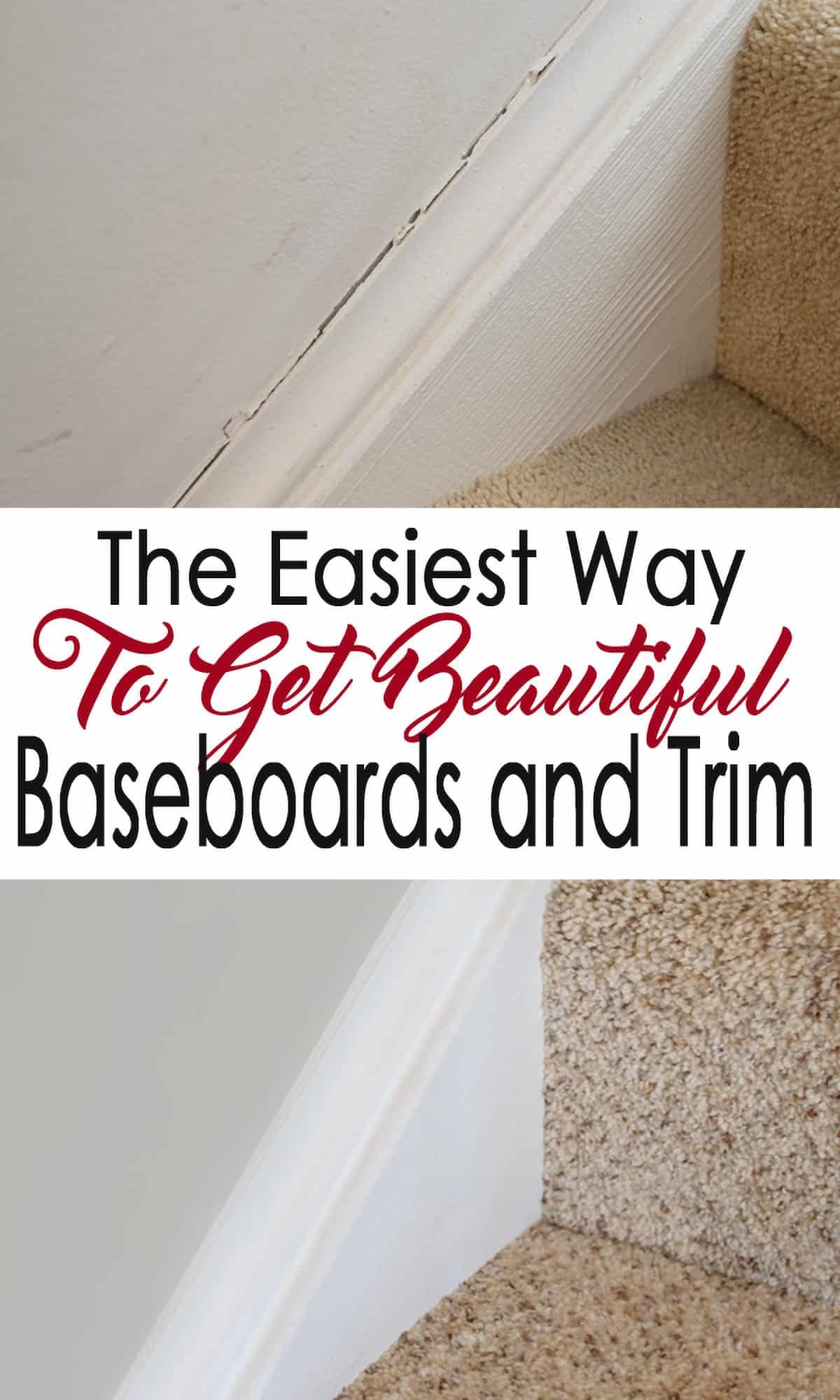
If there is one fact I know about older homes, it's that the poor baseboards and trim take far more of a beating than they should. All those pretty wall pictures on Pinterest with the stunning crown molding and crisp baseboards? I have yet to move into a house like that.
But gaps and cracks in baseboards and trim aren't only unsightly, they can create inefficiencies in heating and air as well as pathways for pests.
From repairing window sills to building a custom closets or adding picture frame wainscoting, beautiful trim and baseboards really can make a wall stunning. It's those little details that make a difference.
Now, we can fix it!
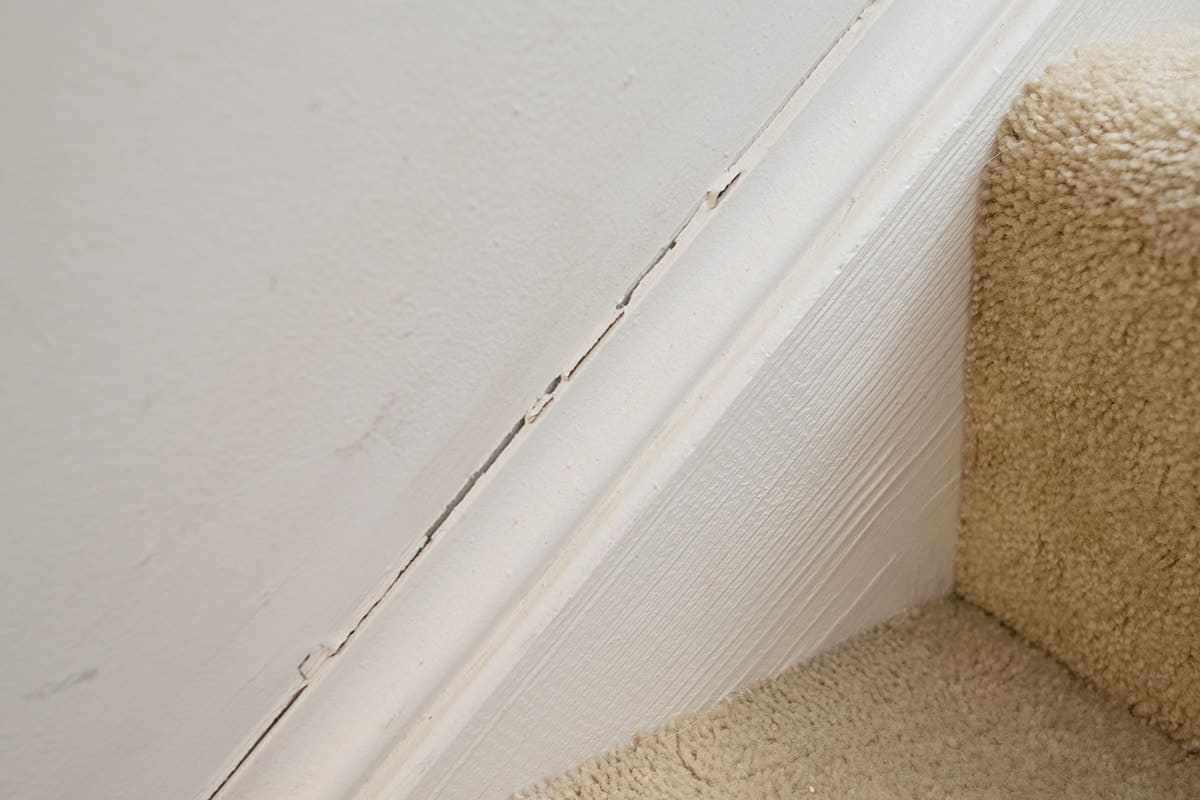
Both sets of stairs were badly cracked, but the baseboards themselves seemed to be in decent condition. Replacing them seemed like an extra step we didn't need.
Pro Tip: Buy a Better Caulk Gun
It's only a few dollars for a slightly nicer caulk gun and the benefits are so, so worth it. This is one of the caulk guns that I use and love because:
- With cheap caulk guns, the caulk often drips long after you have released the trigger, wasting caulk and a bunch of paper towels every time you set it down. I only use dripless caulk guns! No wasted caulk.
- It comes with a handy pin attached that easily pierces the foil barrier inside the tube.
- The trigger spring allows for more even caulk distribution.
*If you use viscous materials (such as sanded caulk or adhesives), have a BIG job, have poor hand strength,/arthritis, or would just like something that doesn't require you to squeeze as much, get a high thrust caulk gun. This is the one that I use as well for bigger jobs.
How To Repair and Caulk Baseboards Step-by-Step
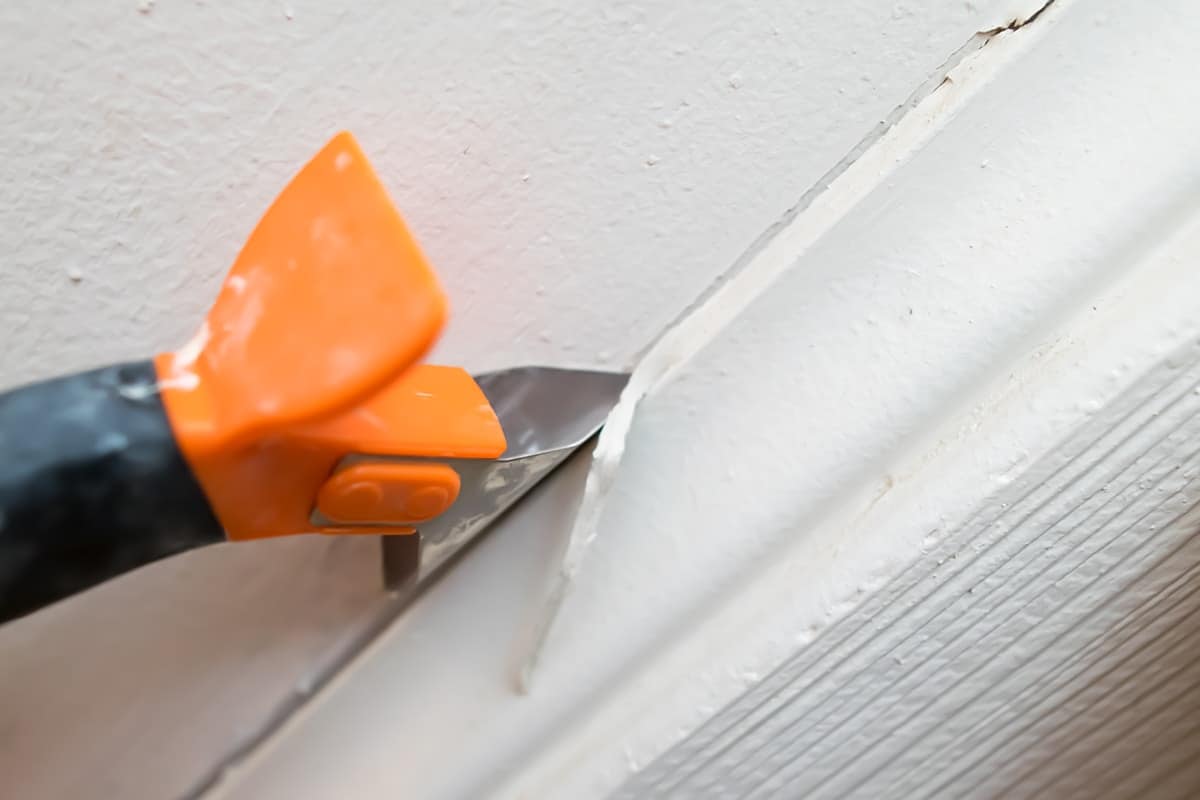
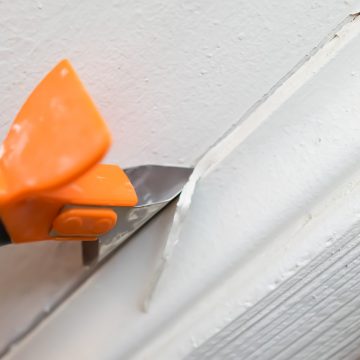
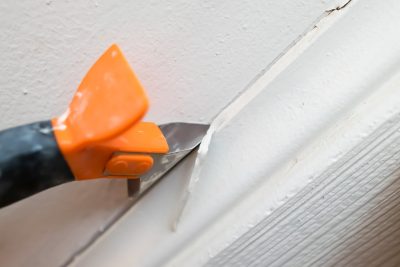
Step 1 – Begin by scraping off the old caulk. If the caulk is still attached in places, cut it with a razor knife to loosen from the wall. I love this caulk scraper because it won't gouge the wall or tile. Scrape or sand any excess texture off to create a smooth surface.
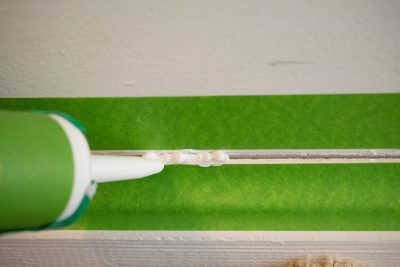
Step 2- (Optional) Tape off the wall. I like to tape the front of the baseboard over the edge. It makes it easier to wipe off. If I want a really crisp line, I will tape the wall as well. This helps give me a guide for painting later.
Make sure to burnish the edges. This means running your finger along the edges just before you caulk to make sure that caulk won't push under it.
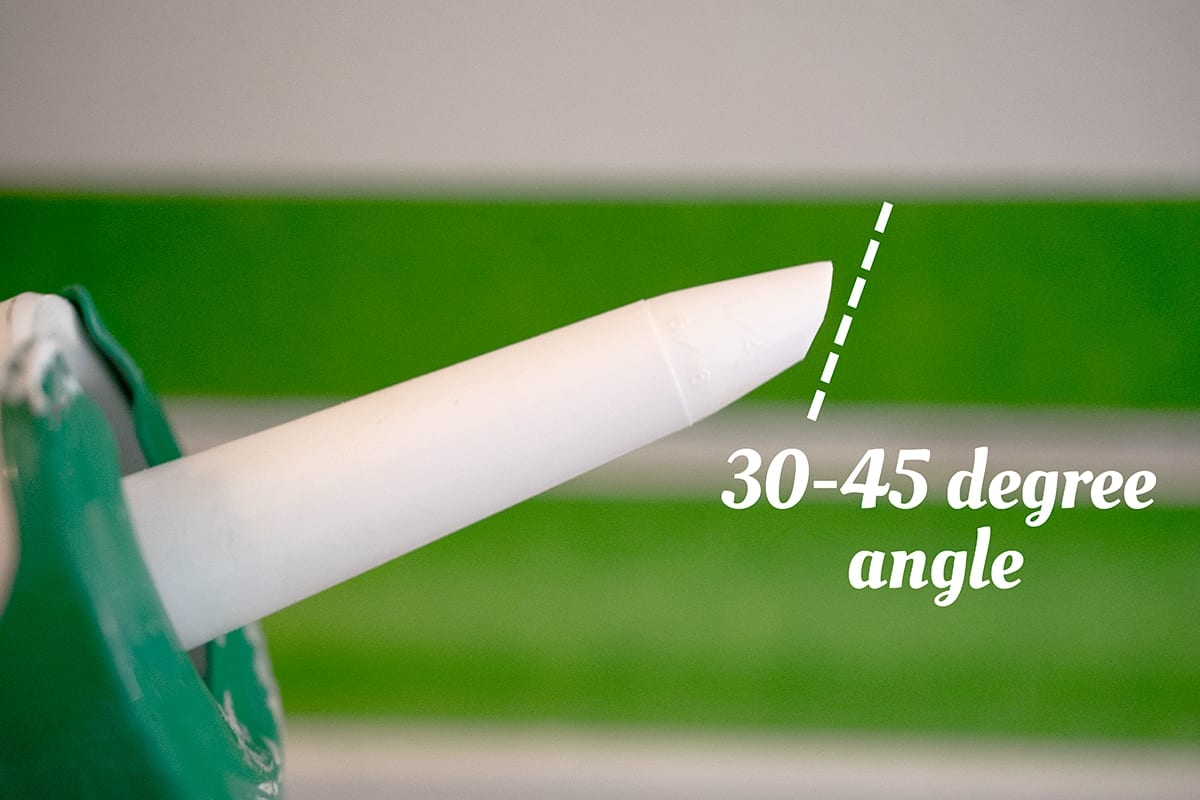
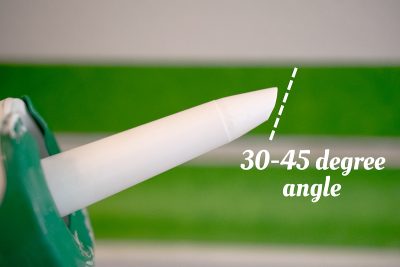
Step 3- Prepare the caulk. One trick to caulking is to cut the tip of the caulking gun at an angle. I use bone cutting scissors that have a notch out of them to cut the tube. Some guns come with a handy hole that cuts the tip.
Step 4 – Lay the Caulk. As you are caulking, hold the gun so that the tip is completely flush with the baseboard. I usually caulk an entire side end to end.
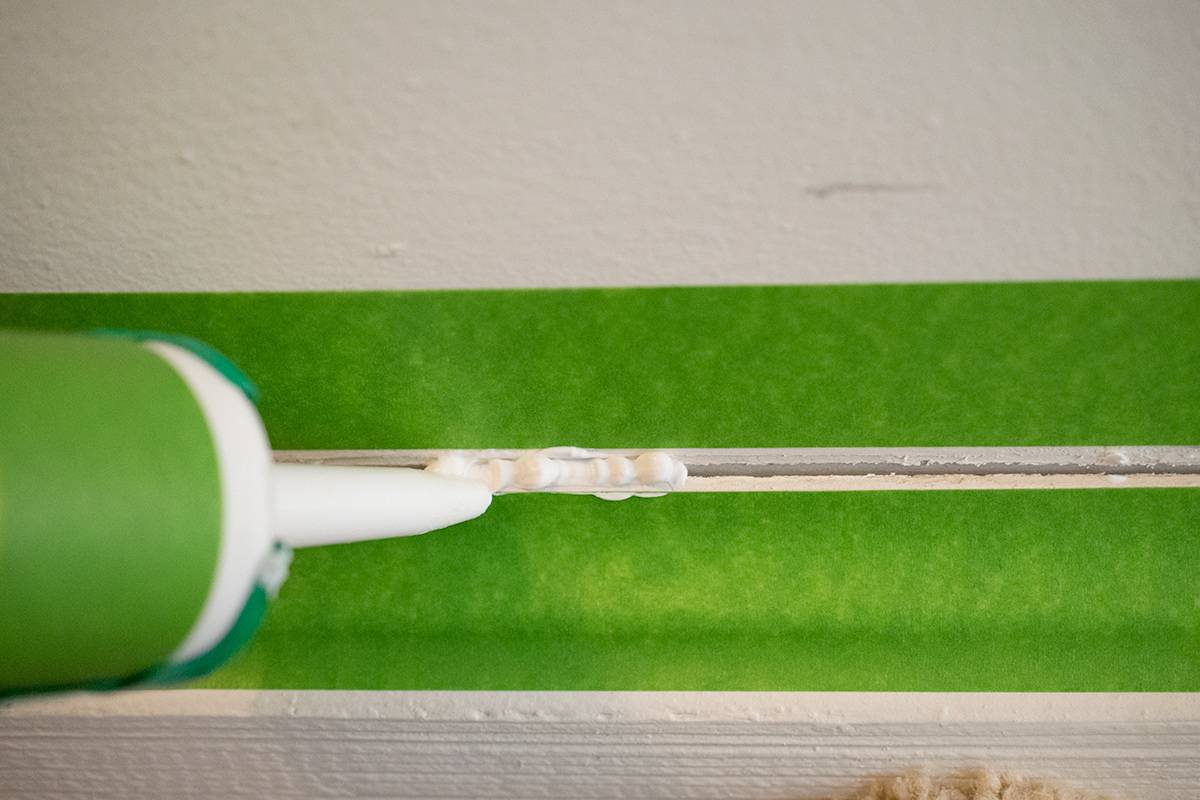
Since I do a lot of caulking, getting a nicer gun with comfort grips that won't drip after I set it down is really worth it.
Step 5 – Smooth out the Caulk.
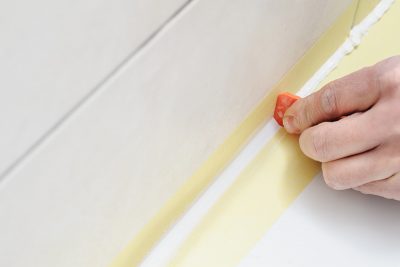
My personal favorite tool is my finger tip to smooth out the caulk. Put on some latex gloves and make sure they are tight fitting around your finger (no ridges or ripples). Use your index finger at an angle with light, but consistent pressure.
However, I generally recommend this wedge tool if you do not feel confident with just your hands.
I make about two passes – I wipe the most of excess off of several feet to make sure I covered well. The second pass is end to end with a little more pressure to make sure the final look is good.
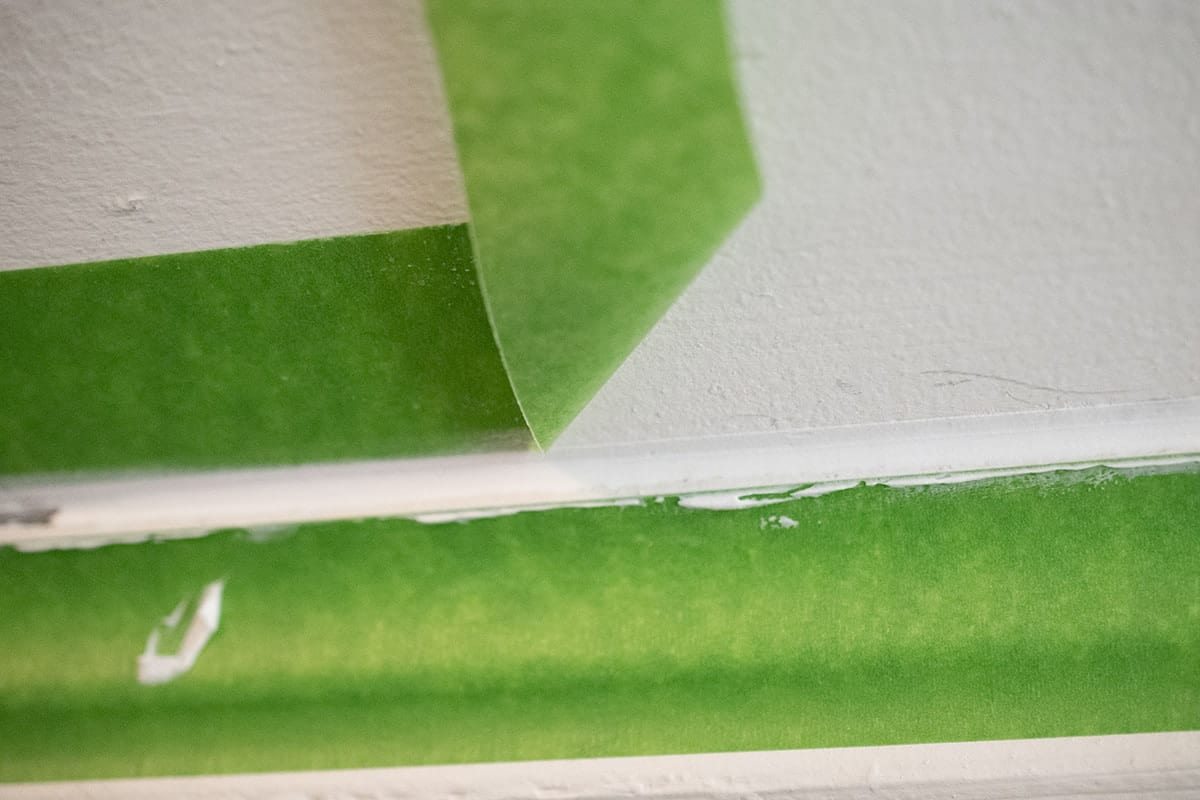
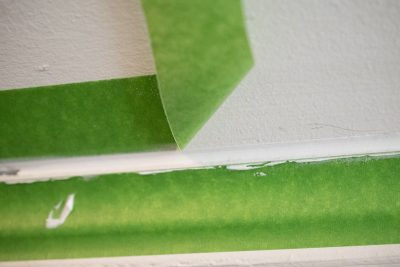
Step 6 – Pull the tape. Before pulling the tape, make sure you can see the edges of the tape well. Otherwise, the tape will not have a nice edge.
Oh, I love a good reveal! Don't you?
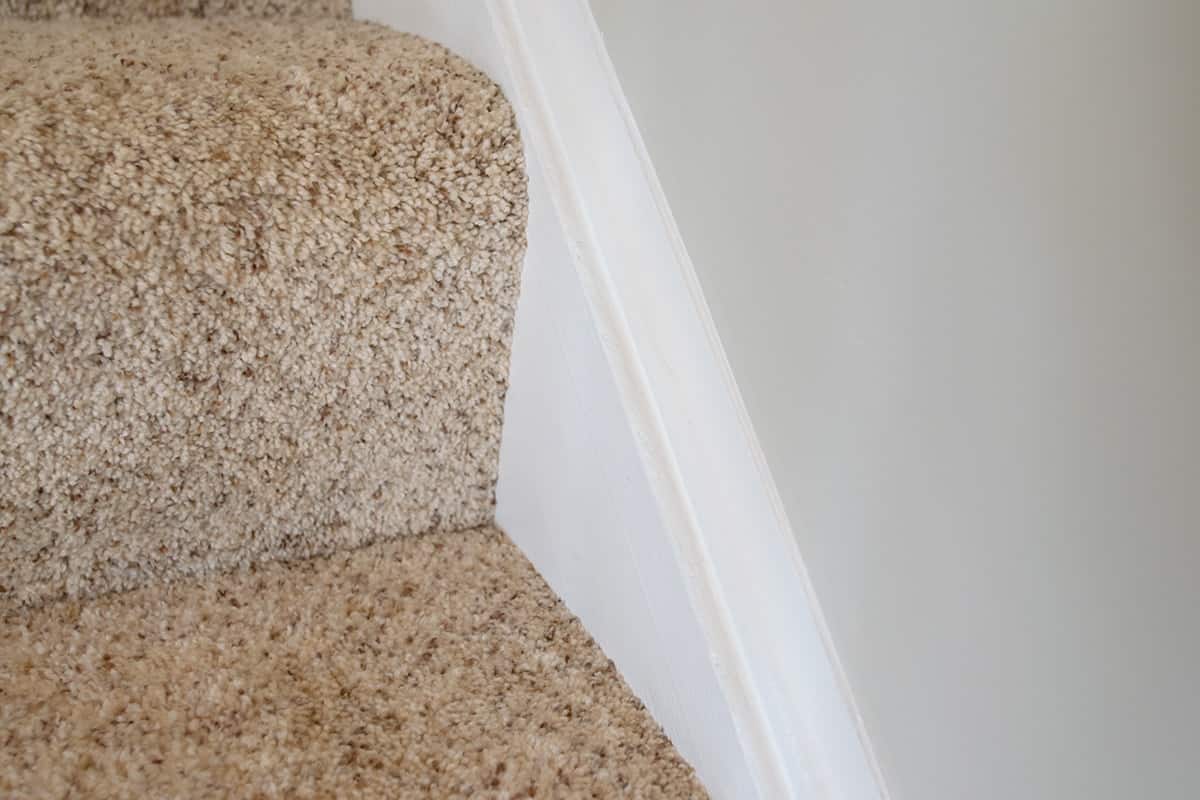
This is the mirroring staircase and it was in exactly the same condition before we repaired it. See what I mean? Those clean lines really look professional!
Who knew baseboards could be this exciting?!
FAQs about Caulking Trim
Should you paint baseboards or walls first?
I always paint my baseboards first because they are lighter in color. If you were using a darker color on the baseboards than on the wall, you may consider painting the wall first.
How do you caulk large gaps in trim and baseboards?
Cracks larger than ¼ of an inch may take more passes. The process is essentially the same as smaller gaps. However, make sure you fill deeper in the gap (not flush with the surface). Allow the deeper caulk to dry completely before caulking a surface bead.
What is the best caulk for trim and baseboards?
There are many good brands for trim caulk. Pay attention to whether the caulk you are using is intended for interior or exterior as well as whether it is paintable. Crack and shrink resistant caulk is a very good idea.
What is the best way to caulk perfectly?
My personal favorite tool is my finger tip to smooth out the caulk. It is soft enough to go over ridges and keep a consistent pressure. Put on some latex gloves and make sure they are tight fitting around your finger (no ridges or ripples). Use your index finger at an angle with light, but consistent pressure.
However, I generally recommend this wedge tool if you do not feel confident with just your hands.
Looking for More Simple Ways to Improve Your Home?
- Repair and Replace Broken Window Sills
- Make Basic Cabinets Look Expensive with Trim
- Building A Custom Closet
- How to Paint Old Kitchen Cabinets
- Kitchen Backsplash with Peel and Stick Glass Tile

Sign up below to receive updates including free printables, organization tips, home improvement projects, recipes and more!
More DIY Home Projects:
-

New Vanity under $500 -
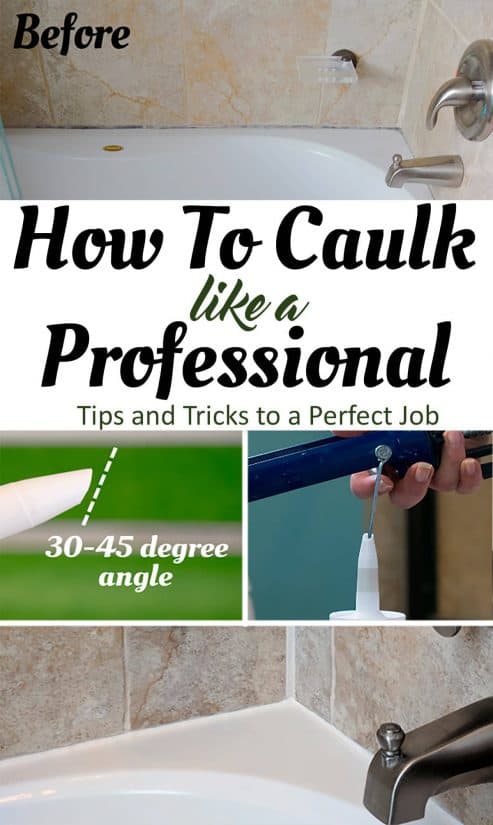
How To Caulk A Bathtub -
Save Time Paint Cabinets -

Replacing Window Trim
PS I love seeing your creations! Be sure to take a photo and tag#cravingcreative on Instagram! You can alsostay in touch with me through following me on Instagram, Pinterest, and Subscribing to the Newsletter!
-
Utility Knife
- Silicone Caulk Make sure it is paintable caulk made for trim
- Sandpaper or Sanding Blocks
- Painter's Tape
- Well fitting Latex or Nitrile Gloves I get these from Harbor Freight
- Paper Towels
- Wedge Tool Optional
- Paint Supplies
-
Remove the old caulk. I love this a caulk scraper because it won't gouge the wall or tile. Scrape or sand any excess texture off to create a smooth surface.
-
(Optional) Tape off the wall. I like to tape the front of the baseboard to the edge It makes it easier to wipe off. If I want a really crisp line, I will tape the wall as well. This helps give me a guide for painting later.
-
Prepare the caulk and gun. Cut the tip of the caulking gun at an angle. Pierce the inside seal with a skewer or some caulk guns come with a piercer tool.
-
Hold the gun so that the tip is completely flush with the baseboard. Caulk an entire side end to end. Make sure to fill all gaps.
-
Smooth out the Caulk. With a bit of practice, smoothing caulk with your index finger is a breeze. Put on some latex gloves and make sure they are tight fitting around your finger (no ridges or ripples). Use your index finger at an angle with light, but consistent pressure. If you aren't confident using your hands, a wedge tool helps. Make two passes – Wipe most of excess off of several feet to make sure it is covered well. The second pass is end to end with a little more pressure to make sure the final look is smooth. Use paper towels to wipe the glove between passes.
-
Pull the tape. Before pulling the tape, make sure you can see the edges of the tape well. Otherwise, the tape will not have a nice edge.
Best Types of Caulk for Trim and Baseboards:
There are many good brands for trim caulk. Pay attention to whether the caulk you are using is intended for interior or exterior as well as whether it is paintable. Crack and shrink resistant caulk is a very good idea.
If your gap is larger than ¼ inch:
Cracks larger than ¼ of an inch may take more passes. The process is essentially the same as smaller gaps. However, make sure you fill deeper in the gap (not flush with the surface). Allow the deeper caulk to dry completely before caulking a surface bead.
Source: https://www.cravingsomecreativity.com/repairing-replacing-baseboards-like-pro/
0 Response to "Easy to Repair Finish for Alder Baseboards"
Post a Comment